Quick Wins for Your Next Japan Journey
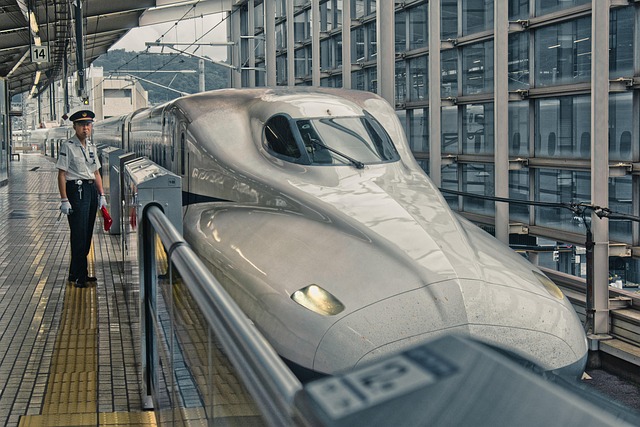
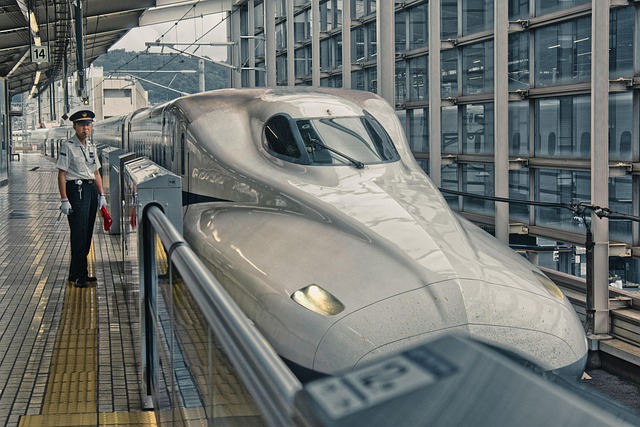
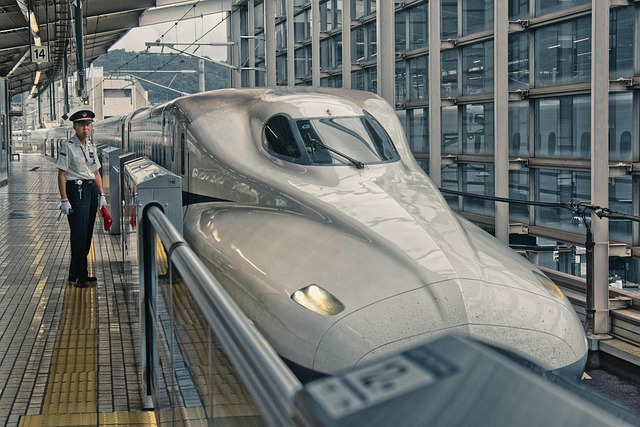
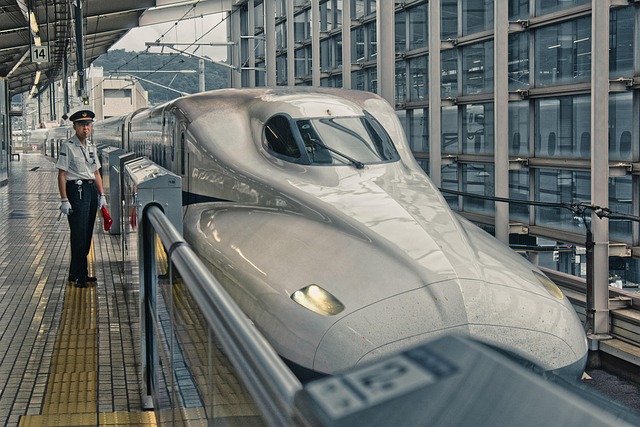
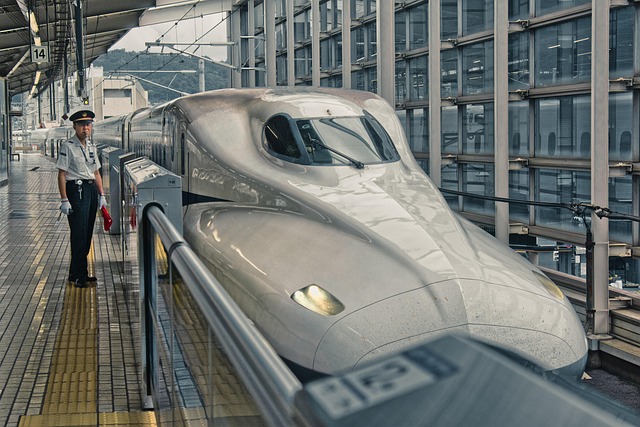
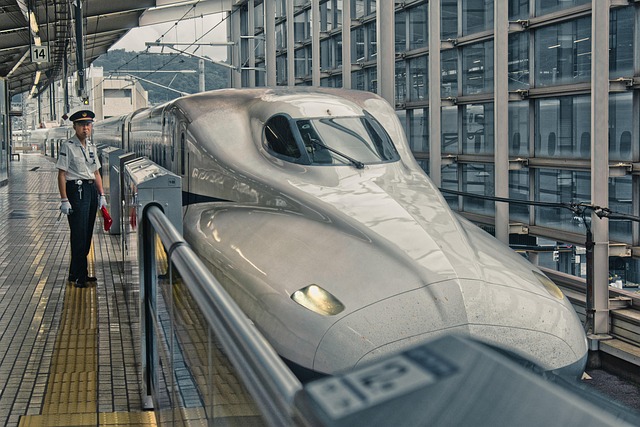
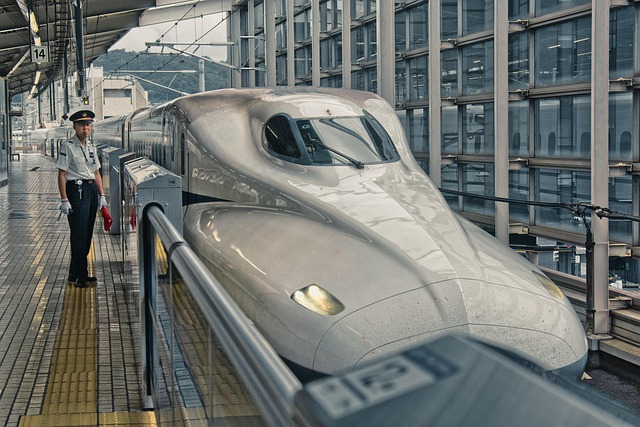
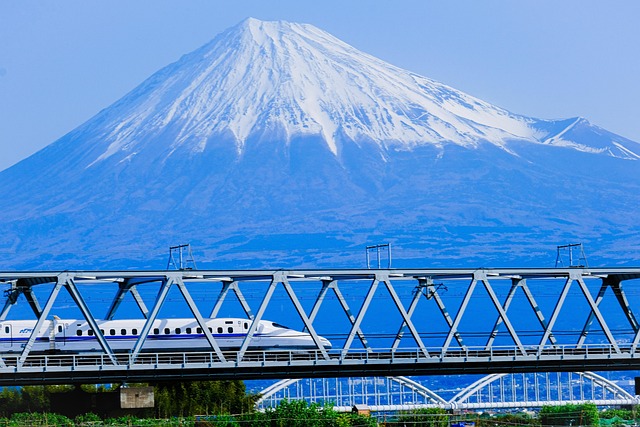
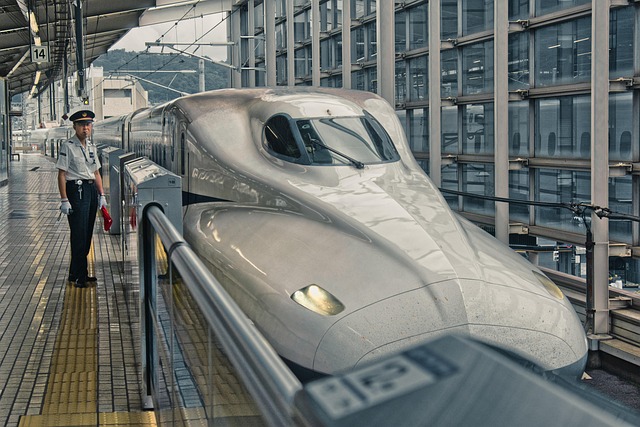
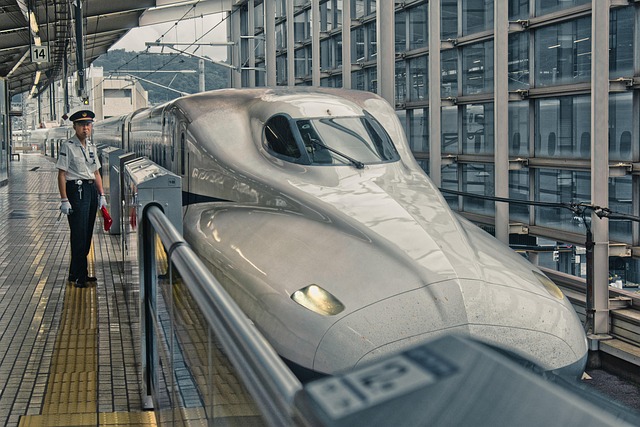
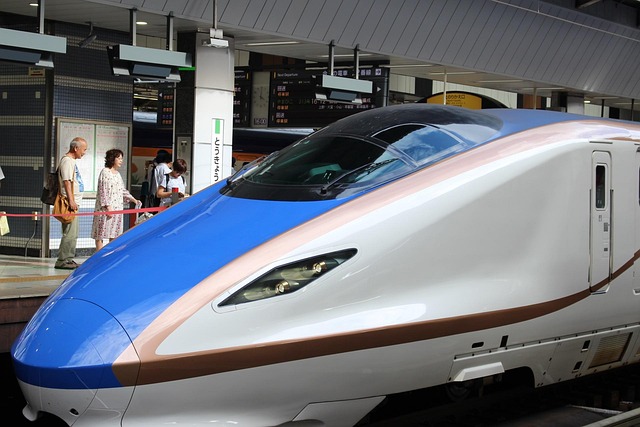
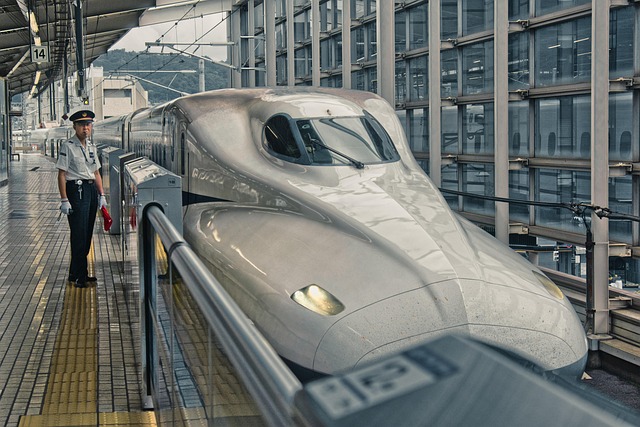
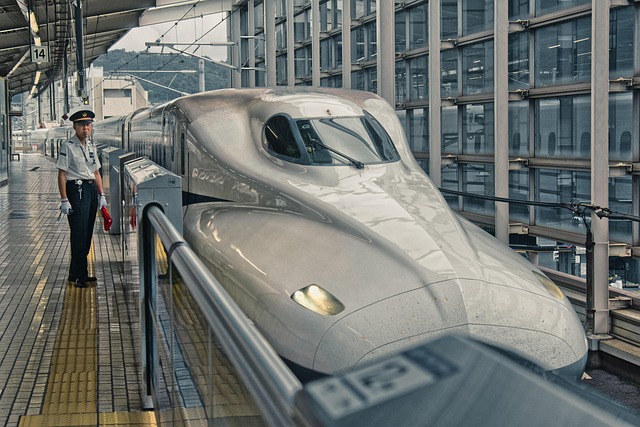
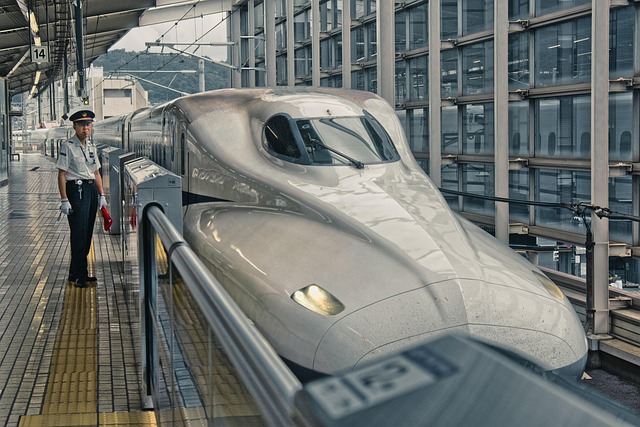
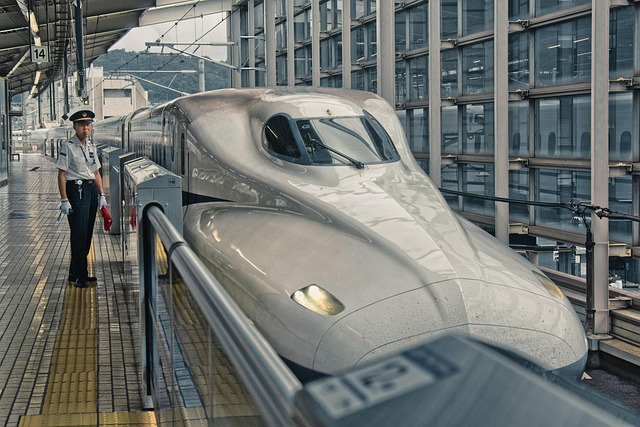
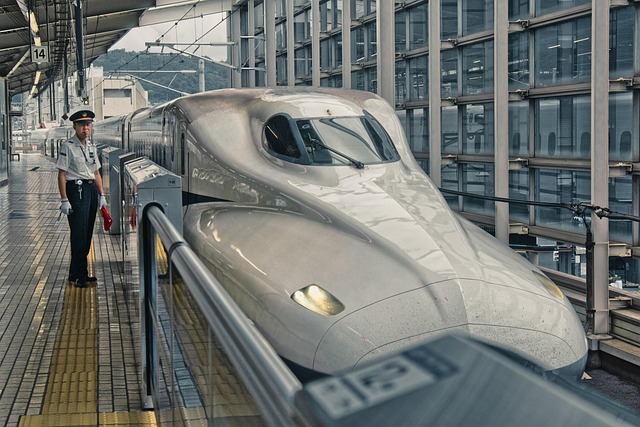
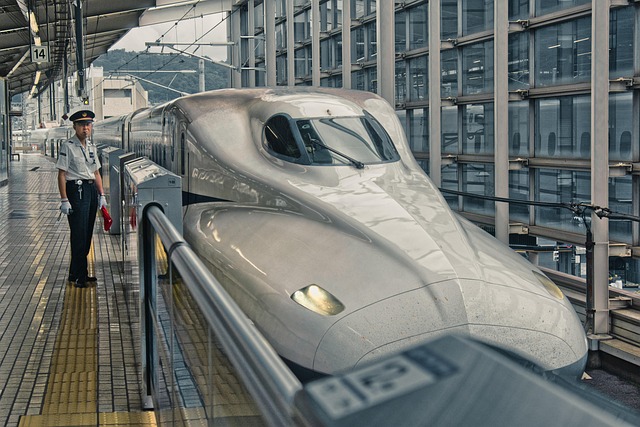
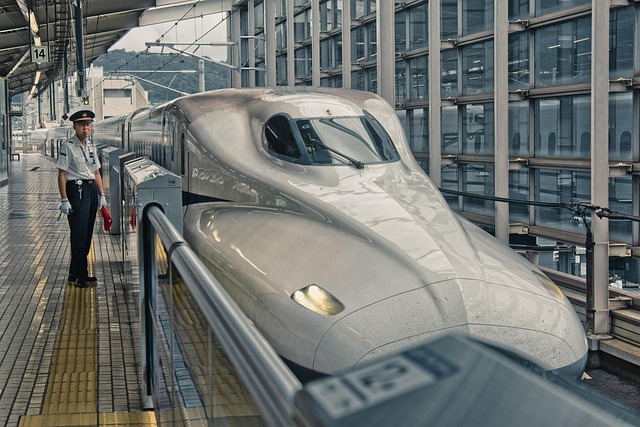
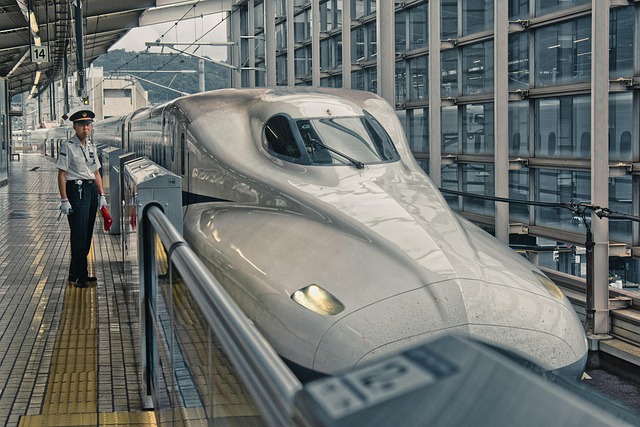
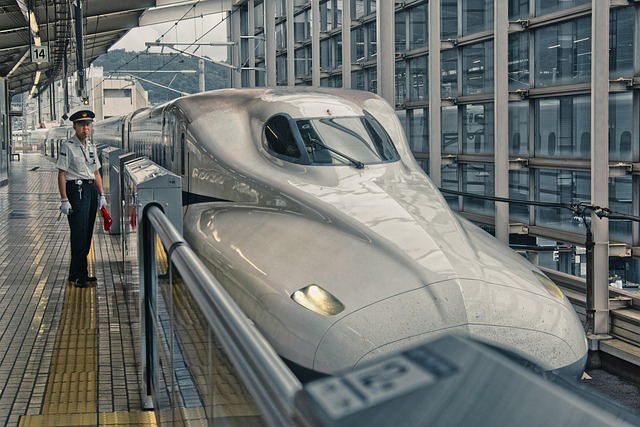
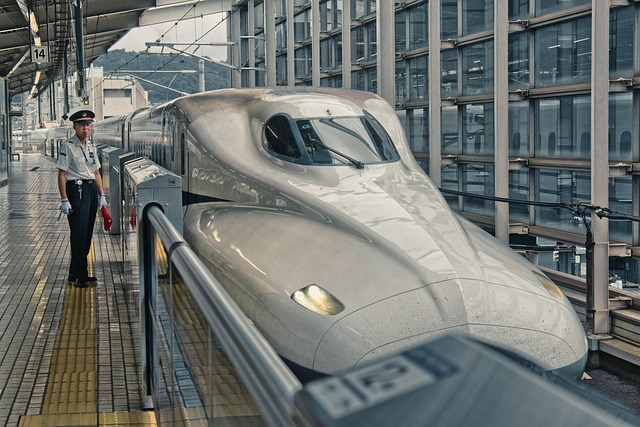
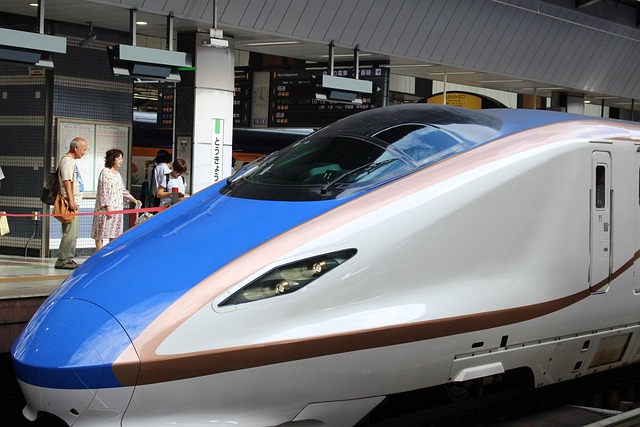
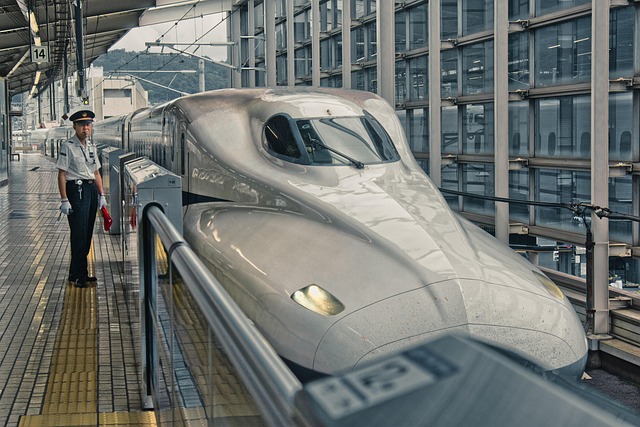
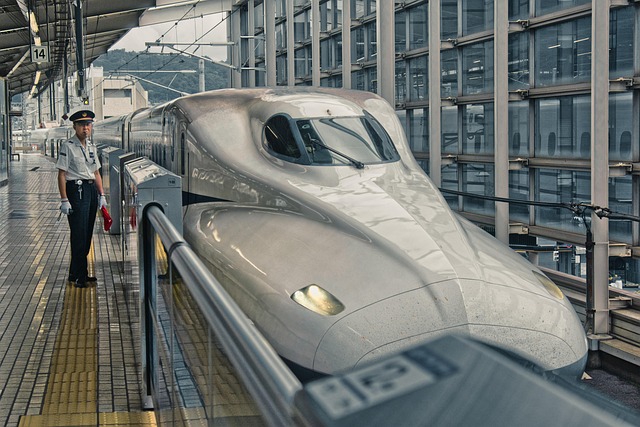
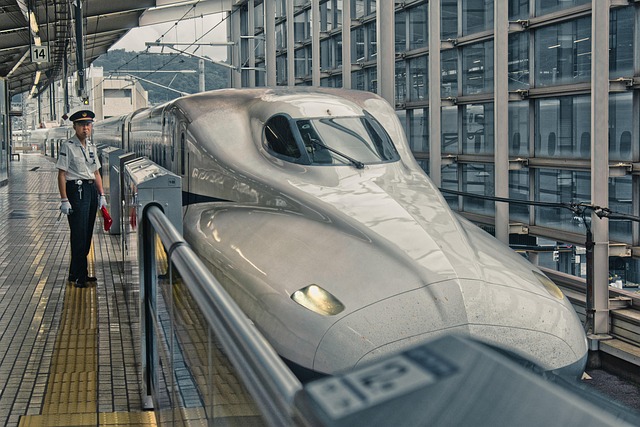
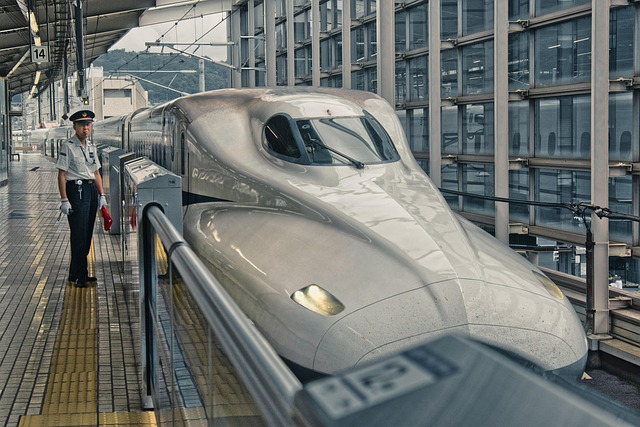
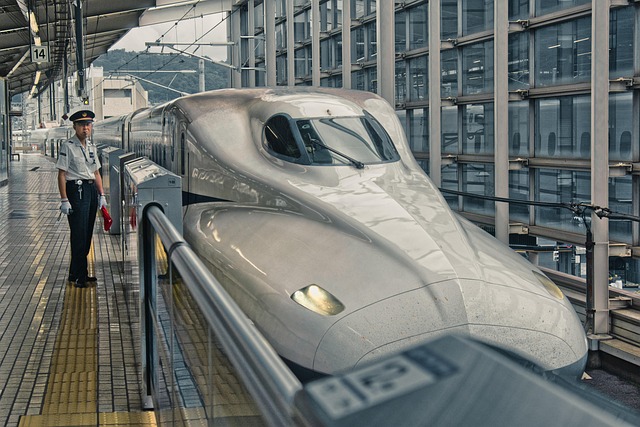
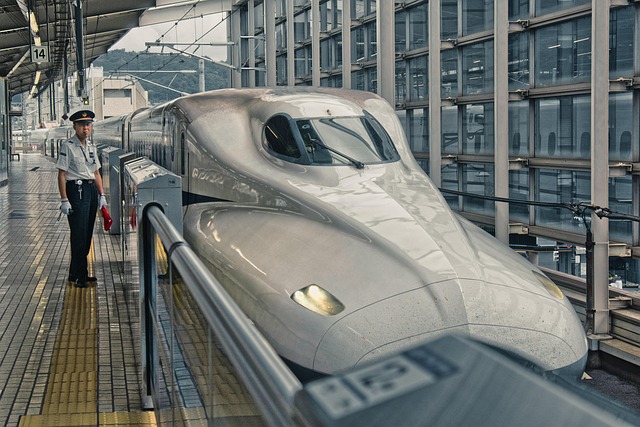
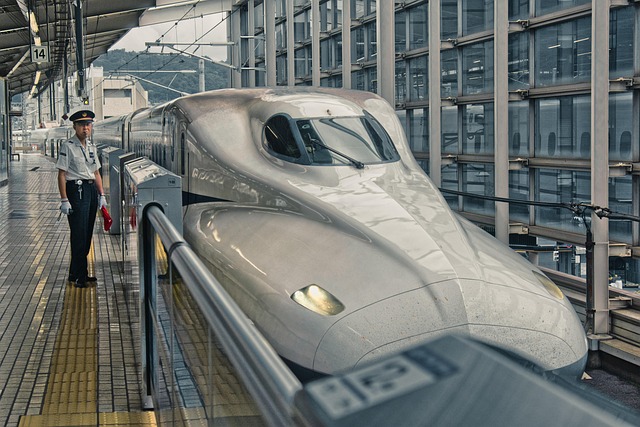
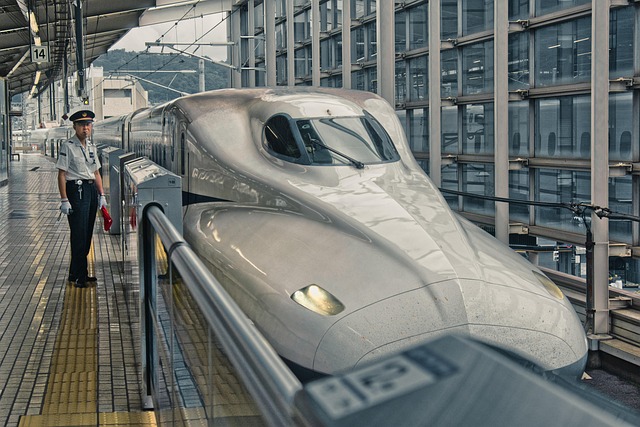
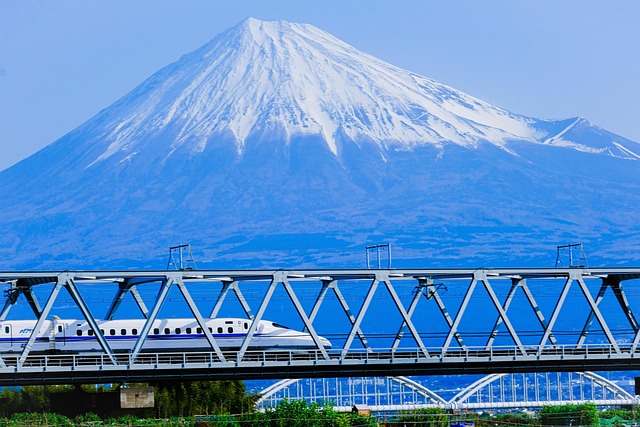
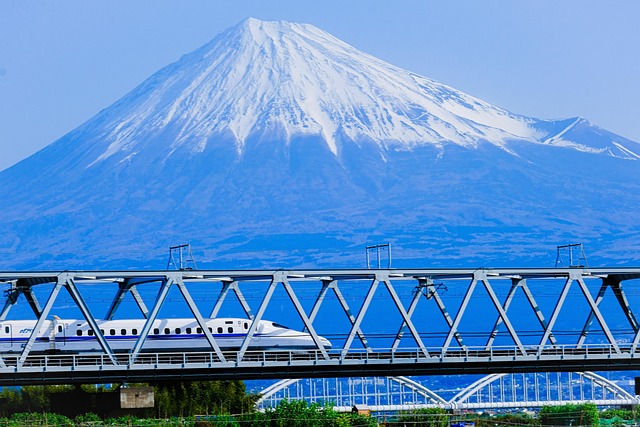
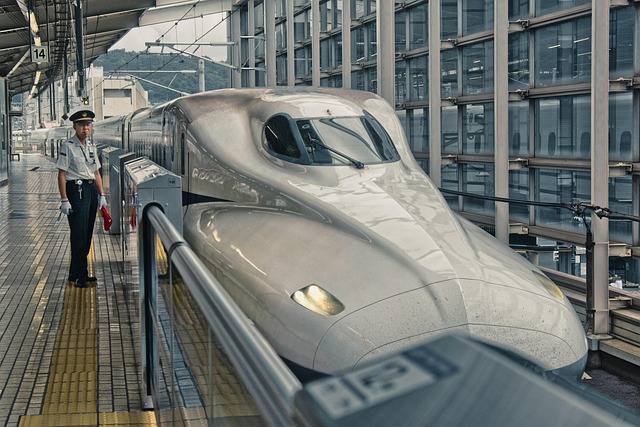
- Master the “Takkyubin” System: Avoid dragging heavy suitcases through crowded Shinkansen stations. Use luggage forwarding services (like Yamato Transport) to send your bags from your Tokyo hotel directly to your Kyoto accommodation for a nominal fee.
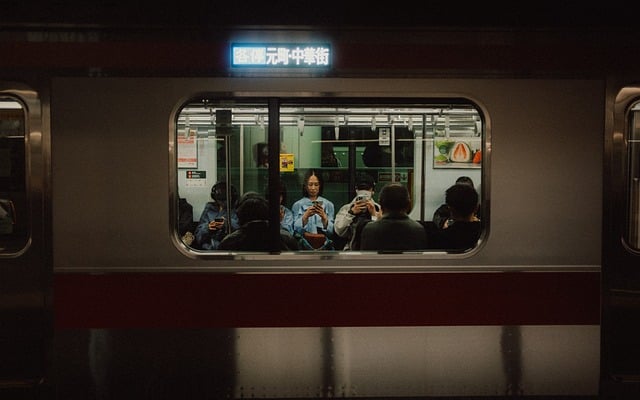
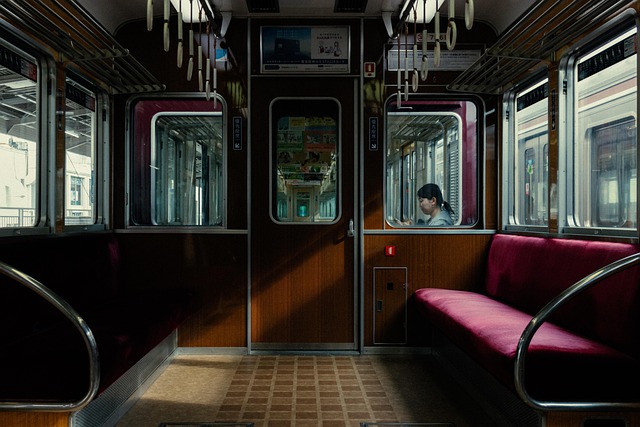
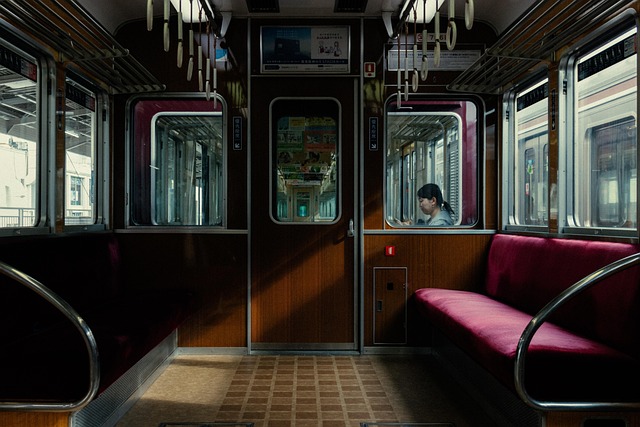
- Digital Transit Cards are Essential: Add a Suica or Pasmo card to your smartphone’s digital wallet before you land. It eliminates the need to fumble with ticket machines and works seamlessly for subways, buses, and even vending machines.
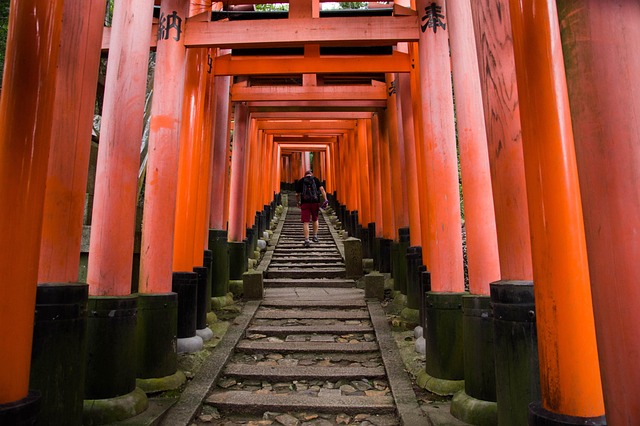
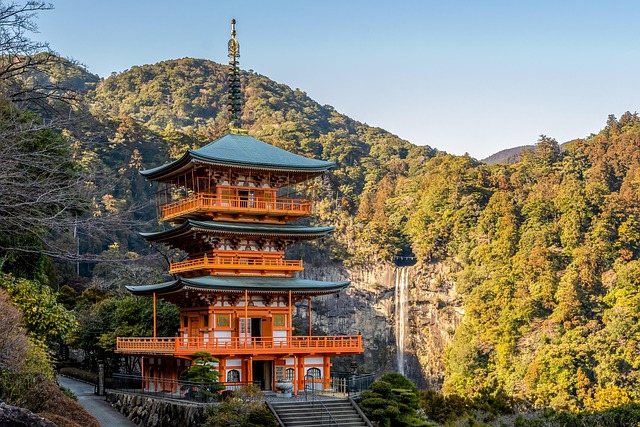
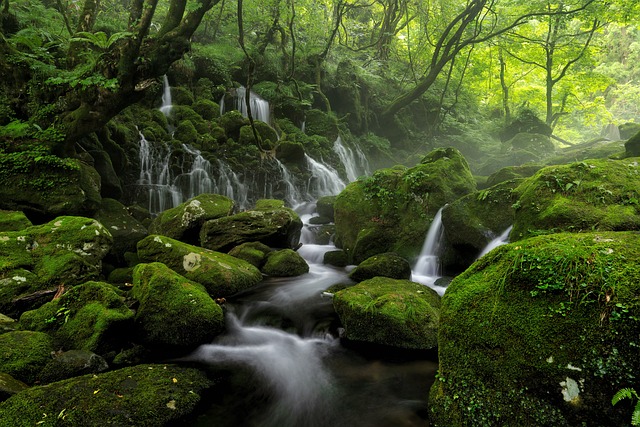
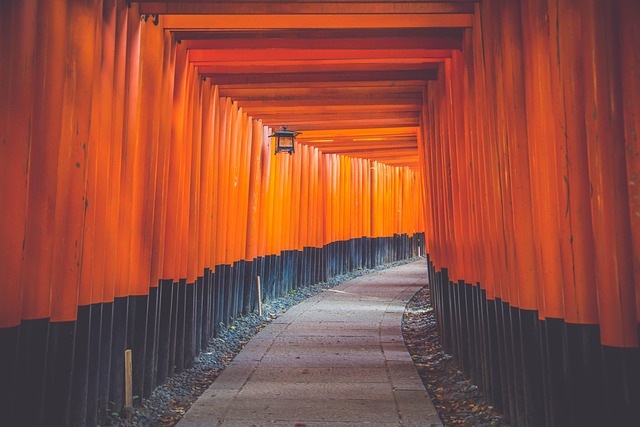
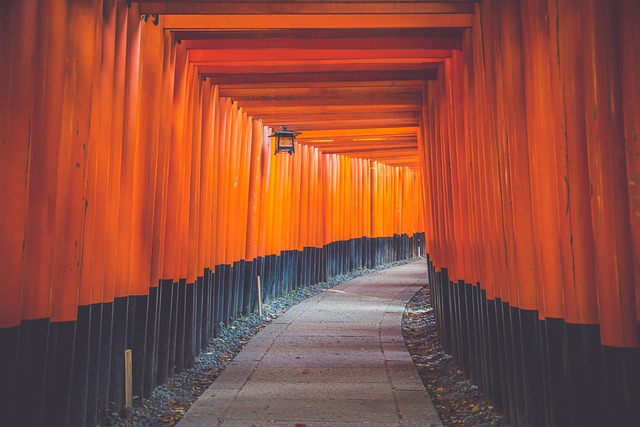
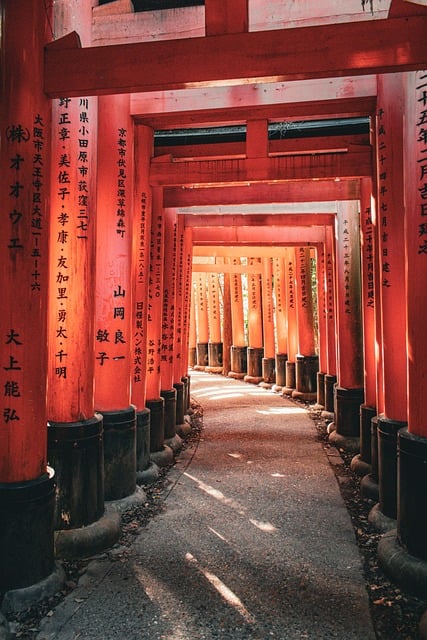
- The 7:00 AM Rule: To experience the serenity of Kyoto’s Fushimi Inari or Arashiyama Bamboo Grove without the wall-to-wall crowds, you must arrive by 7:00 AM. By 9:30 AM, these sites transform into high-traffic corridors.
- Book “Must-Dos” One Month Out: Popular attractions like TeamLab Borderless and the Ghibli Museum require precise booking windows. Mark your calendar for the exact minute tickets go on sale; they often vanish within an hour.
The Itinerary Paradox: The Problem Guidebooks Won’t Tell You
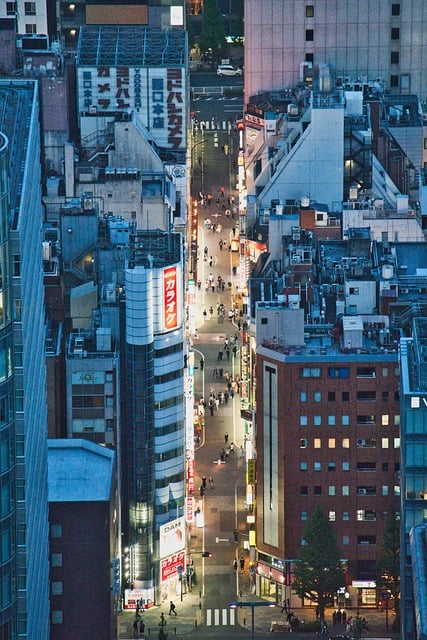
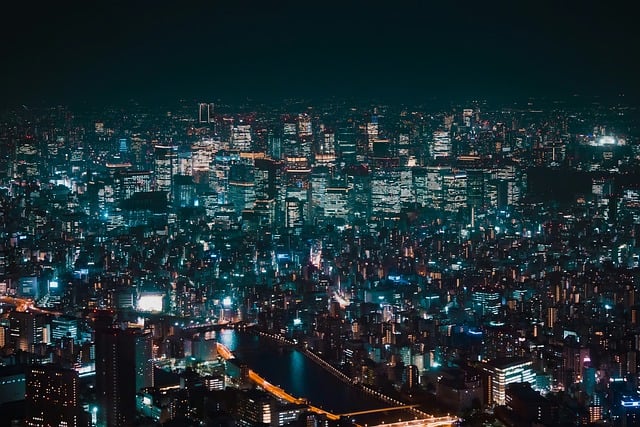
The most significant frustration travelers face isn’t a lack of things to see; it is the “Efficiency Trap.” Most guidebooks present Tokyo and Kyoto as a series of highlights to be checked off a list, failing to mention the sheer physical and mental toll of navigating these urban landscapes. Travelers often plan “Golden Route” itineraries that look perfect on paper but require walking 25,000 steps a day and navigating the world’s most complex transit hubs under pressure.
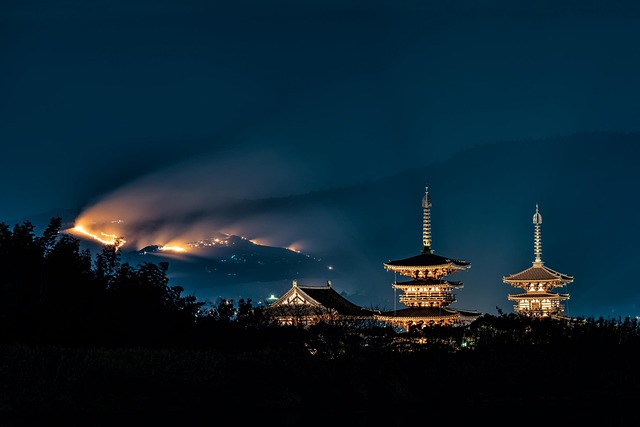
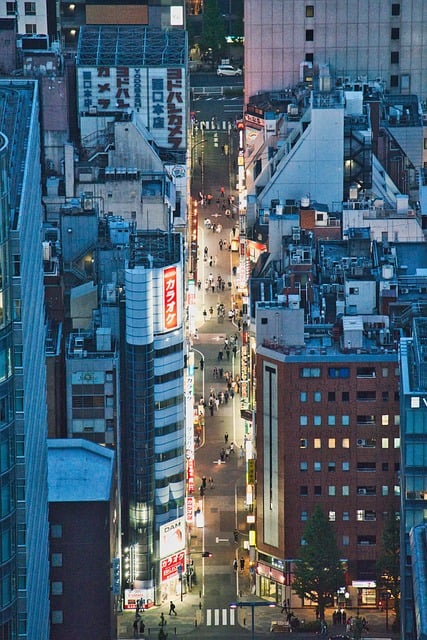
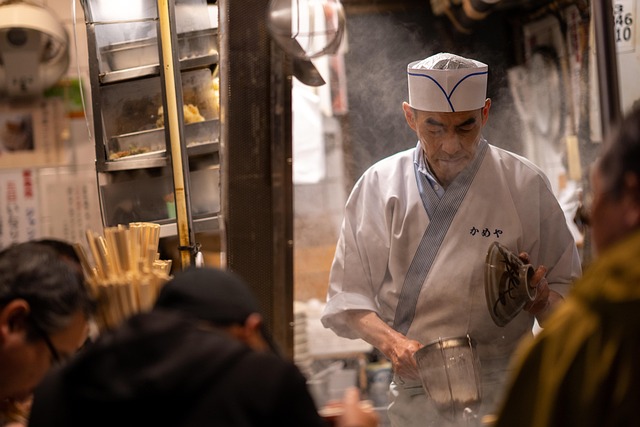
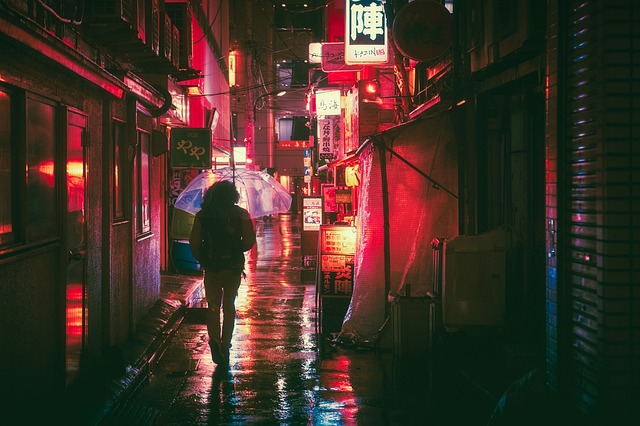
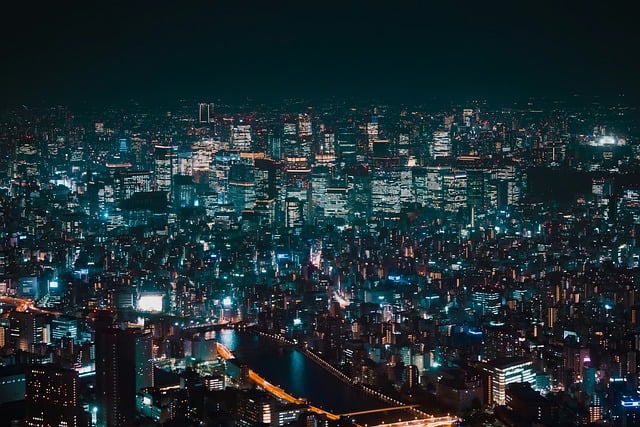
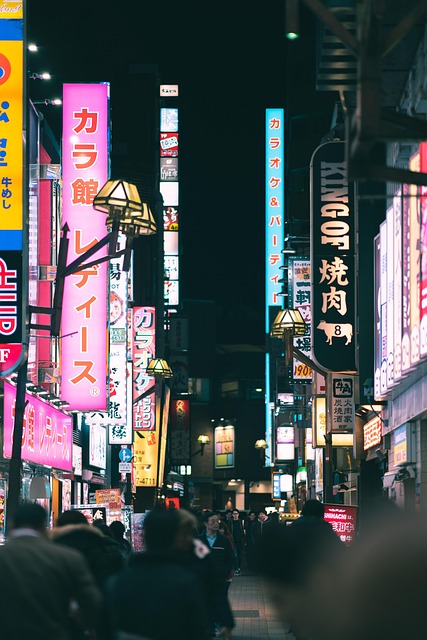
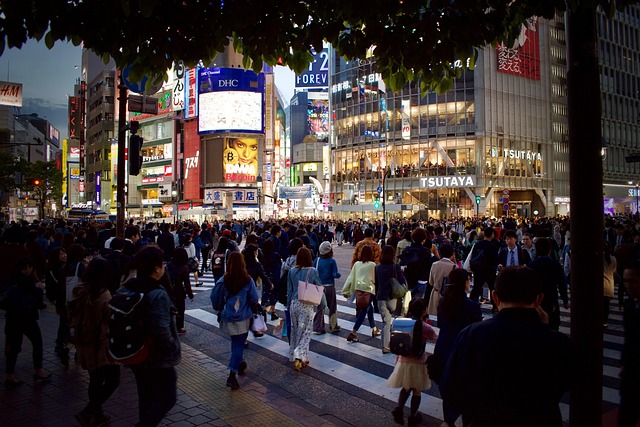
The genuine struggle is the “temple burnout” and “neon fatigue” that sets in by day four. When you over-schedule, you lose the ability to appreciate the subtle magic of Japan—the quiet neighborhood shrines, the perfect bowl of standing ramen, or the unexpected seasonal festivals. The pressure to “fit it all in” often leads to a vacation that feels more like a logistics exercise than a cultural immersion.
Field-Tested Workarounds for a Seamless Trip
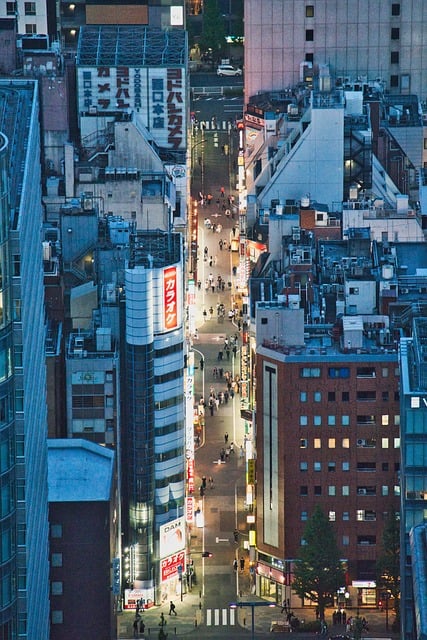
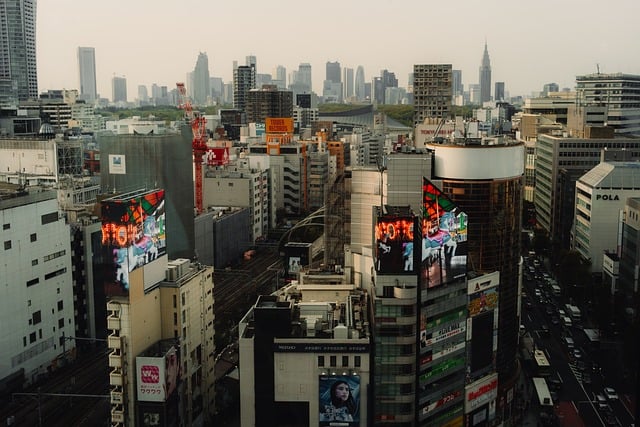
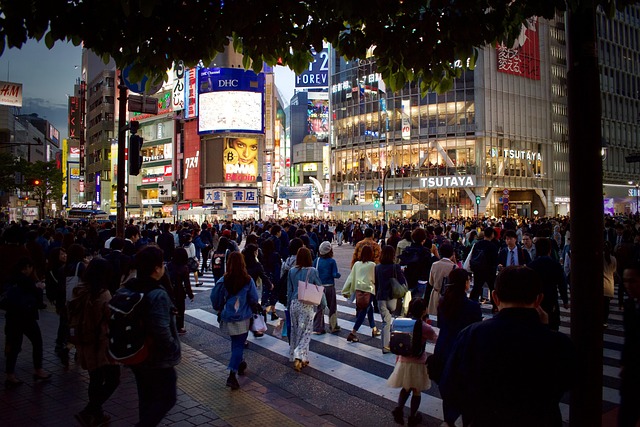
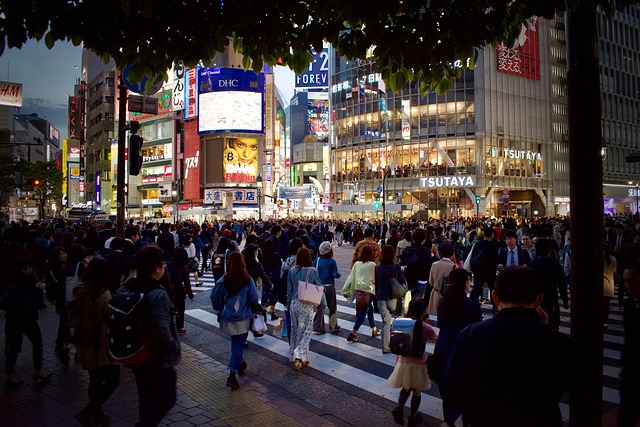
To avoid the common pitfalls of a Tokyo-Kyoto circuit, seasoned travelers use a “Neighborhood Hub” strategy. Instead of zig-zagging across Tokyo, group your interests by proximity. Dedicate one full day to the “East Side” (Ueno, Asakusa, Akihabara) and another to the “West Side” (Shibuya, Shinjuku, Harajuku). This minimizes time spent underground and maximizes time spent on the ground.
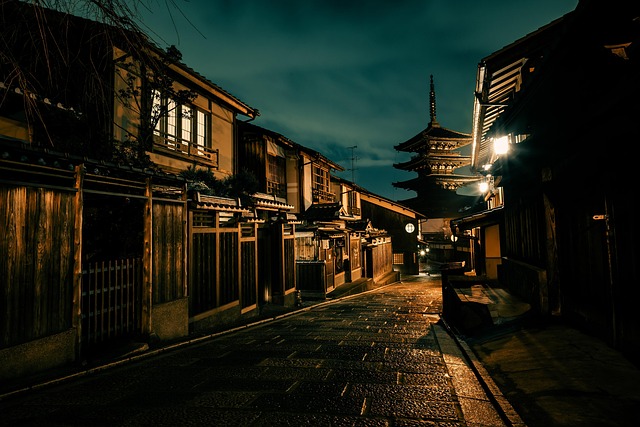
In Kyoto, the secret to fitting in high-demand spots like Arashiyama is to treat them as isolated morning excursions rather than part of a frantic loop. If you are struggling to fit the Bamboo Forest into a busy schedule, consider visiting in the late afternoon. While the light fades faster, the “day-tripper” crowds dissipate, leaving a much more evocative atmosphere. Additionally, don’t feel obligated to see every “Top 10” temple. Often, a smaller, less-advertised temple like Honen-in offers a deeper sense of Zen than the crowded Golden Pavilion.
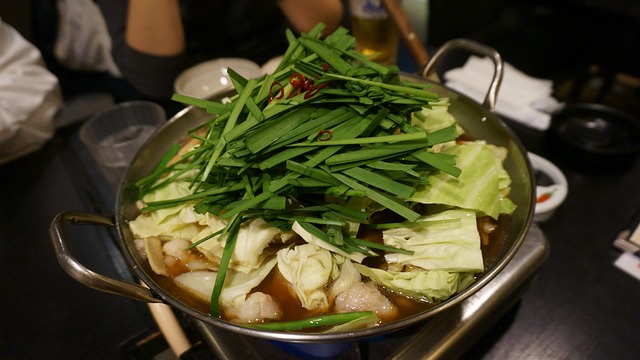
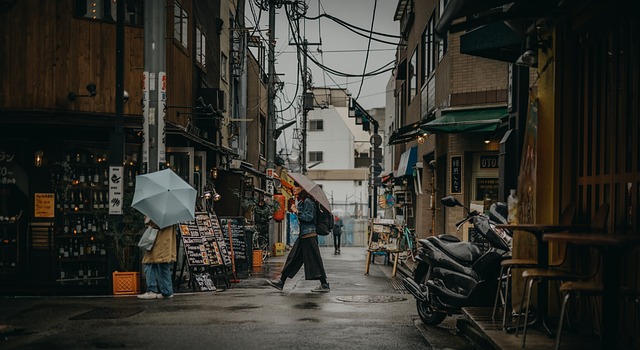
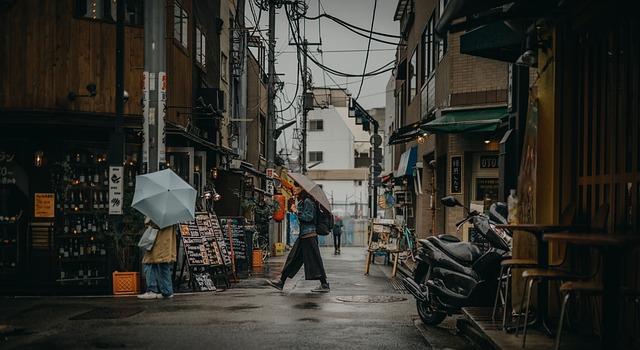
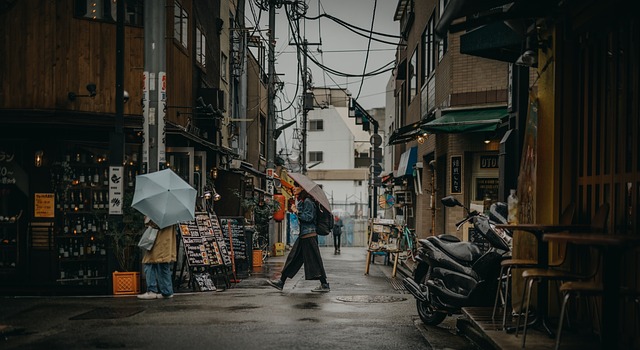
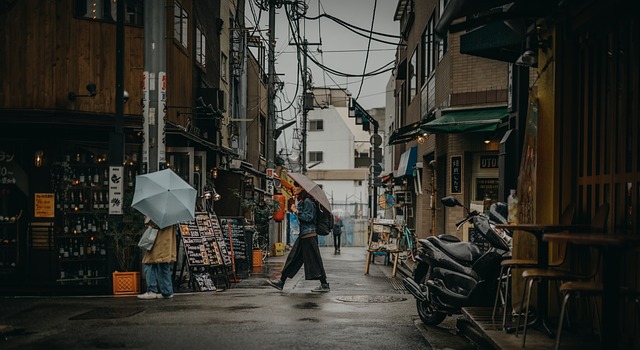
For dining, skip the viral spots with two-hour queues. Use local discovery apps or simply walk two blocks away from the main tourist drags. In Japan, the baseline for quality is incredibly high; a “no-name” izakaya in a quiet alley is frequently superior to a TikTok-famous destination.
The Insider’s Perspective: Emphasizing the “Ma”
As an industry insider, I’ve seen thousands of itineraries. The most successful ones share one common trait: the “Ma” or negative space. In Japanese aesthetics, “Ma” refers to the beauty in the empty space between objects. Your itinerary needs this same breathing room.
I always advise clients to build in a “Buffer Day”—a day with zero planned activities. Use this day to return to a neighborhood you loved, browse a local supermarket, or simply sit in a park and watch the world go by. Japan is a country of incredible detail, and if you are constantly rushing to the next Shinkansen or museum entry, you will miss the very essence of what makes the culture so captivating. True luxury in Japan travel isn’t seeing everything; it’s having the time to truly see what is right in front of you.